
If it feels like your commute is getting slower, you’re not imagining it.
Traffic congestion is rising across the UK, and the latest TomTom Traffic Index suggests that for many drivers, rush hour is now less of a “peak time” and more of a daily endurance test. Whether you’re travelling into a city centre for work, doing the school run, or simply trying to get across town, delays are becoming harder to avoid – and more time-consuming than ever.
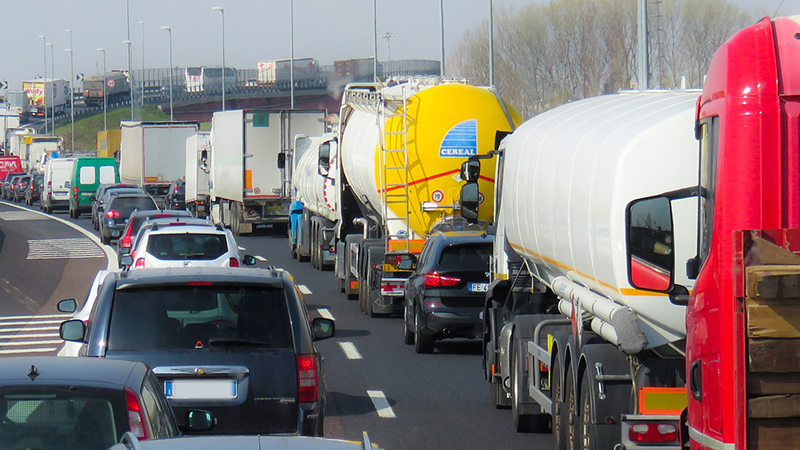
So which UK cities are now the worst for congestion in 2025? And how much time are drivers actually losing every year?
Let’s take a look at the latest data.
UK Commutes in 2025: The Key Findings
TomTom’s 2025 city rankings paint a pretty clear picture: congestion is widespread, and in many places it’s getting worse.
Here are some of the standout stats from the latest UK data:
- Several UK cities now sit at 50%+ congestion, meaning journeys take half as long again compared to free-flow traffic.
- Average speeds in some major cities have dropped to under 20 km/h – slower than many cyclists.
- Many commuters are losing 80–140 hours a year stuck in rush-hour traffic. That’s the equivalent of 2 to 6 full days of your life, every year.
The Most Congested UK Cities (2025)
One of the biggest surprises in 2025 is that London isn’t actually the most congested city in the UK – at least not when measured by percentage delay.
Instead, the top spots are taken by several smaller cities, with the worst congestion levels recorded in:
- Belfast (58.4%)
- Edinburgh (57.9%)
- Cambridge (54.1%)
- Exeter (53.7%)
- Brighton & Hove (52.5%)
- Norwich (52.4%)
- Hull (52.0%)
London still ranks highly at 51.6%, but it’s clear that heavy congestion is no longer limited to the capital.
London: Still the UK’s Biggest Commute Time Sink
Even though a few other cities beat London on congestion percentage, the capital still stands out for one key reason:
Time lost.
In 2025, TomTom estimates London drivers lose a huge:
- 141 hours per year
- travelling at an average speed of just 16.5 km/h
That’s nearly 6 full days spent in traffic – and it makes London the worst UK city overall when it comes to the real-life impact on commuters.
Other Cities with Brutal Commutes in 2025
London isn’t alone.
Edinburgh continues to have one of the most difficult commutes in the UK, with:
- 57.9% congestion
- 127 hours lost per year
- and an average speed of only 18.7 km/h
Manchester also remains a major traffic hotspot, with drivers losing:
- 126 hours annually
- at an average speed of 20.8 km/h
And Cambridge, despite being smaller, is one of the most time-consuming places to drive in, with:
- 54.1% congestion
- 122 hours lost per year
Where is Congestion Getting Worse?
Another big takeaway from the 2025 data is how many cities have seen congestion rise compared to last year.
Some of the biggest year-on-year increases include:
- Ipswich (+4.1 percentage points)
- Norwich (+3.1 pp)
- Bristol (+3.0 pp)
- Glasgow (+3.0 pp)
- Birmingham (+2.4 pp)
- Brighton & Hove (+2.3 pp)
In other words: it’s not just that congestion is bad – in many places, it’s still moving in the wrong direction.
The Slowest Cities to Drive In (Average Speed)
TomTom also measures the average driving speed across each city – and some of the results are eye-opening.
The slowest UK cities in 2025 include:
- London – 16.5 km/h
- Edinburgh – 18.7 km/h
- Manchester – 20.8 km/h
- Leicester – 21.2 km/h
- Liverpool – 21.8 km/h
- Bristol – 22.5 km/h
- Cambridge – 22.6 km/h
If you’ve ever felt like you spend more time braking than driving in rush hour, this probably explains why.
The Least Congested UK Cities (2025)
While congestion is rising across much of the country, some cities still offer relatively smoother commutes.
The least congested cities in TomTom’s UK list include:
- Middlesbrough (31.2%)
- Coventry (34.3%)
- Leeds (34.4%)
- Stoke-on-Trent (35.8%)
- Inverness (37.0%)
These cities still experience delays – but compared to London or Edinburgh, the difference is significant.
The Real Cost: Hours Lost Every Year
Congestion isn’t just frustrating – it adds up to a lot of time.
In 2025, drivers lose more than 100 hours per year in several UK cities, including:
- London (141 hours)
- Edinburgh (127 hours)
- Manchester (126 hours)
- Cambridge (122 hours)
- Bristol (118 hours)
- Leicester (118 hours)
Even in the “better” UK cities, it’s common for commuters to lose 60–80 hours per year to rush-hour traffic – the equivalent of well over a full workweek.
Why Are UK Commutes Getting Slower?
There isn’t one single reason why commutes are getting slower, but a few factors tend to play a role across most cities:
- more cars on the road
- ongoing roadworks and long-term infrastructure projects
- busier city centres and bottlenecks
- increased delivery traffic
- disruption to public transport pushing more commuters into cars
And once a city’s roads hit capacity, even small changes can make a big difference – a minor incident, bad weather, or road closure can quickly cause knock-on delays.
Is Your Commute Getting Slower? The Verdict
Unfortunately, for most UK drivers, the answer is yes.
TomTom’s 2025 data shows that congestion is now high across much of the country, average speeds are low in many major cities, and drivers are losing days of time every year sitting in traffic.
So whether you’re commuting into London, crossing Manchester, navigating Edinburgh, or simply trying to get across town in Brighton or Bristol, it’s worth planning ahead – and expecting your journey to take longer than it used to.
2025 Commute Data: Major UK Cities at a Glance
To wrap up, here’s a quick look at the latest TomTom Traffic Index 2025 figures for some of the UK’s major cities:
| City | Congestion | Change YoY | Avg Speed | Avg Trip Distance | Time Lost / Year |
|---|---|---|---|---|---|
| London | 51.6% | +1.0 pp | 16.5 km/h | 4.1 km | 141 hours |
| Manchester | 48.1% | +1.6 pp | 20.8 km/h | 5.2 km | 126 hours |
| Liverpool | 45.8% | +2.0 pp | 21.8 km/h | 5.5 km | 99 hours |
| Bristol | 51.3% | +3.0 pp | 22.5 km/h | 5.6 km | 118 hours |
| Edinburgh | 57.9% | +0.7 pp | 18.7 km/h | 4.7 km | 127 hours |
| Sheffield | 46.5% | +1.2 pp | 25.1 km/h | 6.3 km | 99 hours |
| Leicester | 49.6% | +0.9 pp | 21.2 km/h | 5.3 km | 118 hours |
| Nottingham | 43.1% | -0.3 pp | 22.9 km/h | 5.7 km | 98 hours |
| Cardiff | 44.8% | +1.3 pp | 25.9 km/h | 6.5 km | 81 hours |
| Bournemouth | 39.1% | -0.2 pp | 30.7 km/h | 7.7 km | 65 hours |
FAQs: UK Traffic & Commutes (TomTom 2025)
According to the TomTom Traffic Index 2025 data, Belfast is the most congested UK city, with an average congestion level of 58.4%. That means journeys take nearly 60% longer than they would in free-flow traffic.
Yes – London remains the slowest UK city for driving speed. TomTom’s 2025 figures show London has an average speed of just 16.5 km/h, making it the slowest city in the dataset.
It depends on the city, but many UK commuters lose 80–140 hours per year in rush-hour traffic.
In 2025, London drivers lost the most time overall at 141 hours annually, followed by Edinburgh (127 hours) and Manchester (126 hours).
The least congested UK cities in the 2025 dataset include:
Middlesbrough (31.2%)
Coventry (34.3%)
Leeds (34.4%)
Stoke-on-Trent (35.8%)
Inverness (37.0%)
These cities still experience delays, but far less than places like London, Edinburgh, or Belfast.
Several cities saw noticeable year-on-year increases in congestion in 2025. The biggest rises include:
Ipswich (+4.1 percentage points)
Swansea (+3.7 pp)
Norwich (+3.1 pp)
Bristol (+3.0 pp)
Glasgow (+3.0 pp)
Source
.Sources: Data and rankings are drawn from the TomTom Traffic Index 2025 report and related analyses. Additional context on congestion and commute times is based on TomTom’s published city reports and press releases. All statistics reflect 2024–2025 findings for UK urban areas, as cited above.