
Phone Chargers for Travel & Emergencies (2025 Update)
Travel tech has come a long way, and alternative-energy phone chargers are the savvy traveller’s answer to keeping devices powered off-grid. Whether you’re trekking in the wilderness, preparing for a power cut, or embracing sustainable travel, these chargers help you stay in charge wherever you roam. From solar panels to hand cranks, kinetic gadgets, heat-powered stoves, water-activated fuel cells, and even AA battery boosters, here’s an updated guide to the latest chargers as of 2025 that will keep your phone juiced up on any adventure.
What’s inside:
- Solar chargers harness the sun’s rays
- Crank chargers generate power by hand or pedal
- Kinetic chargers, power from your movement
- Thermo chargers turn heat into electricity
- Water fuel cells, just add water
- Battery packs, AA battery backups
Before diving in, remember that conditions and usage vary. We’ve updated the product list to remove discontinued gadgets and include current models for travel, outdoor adventure, emergency readiness and sustainability, so you’re never left with a flat battery again.
Product comparison table
| Charger (Type) | Power source/capacity | Approx. phone charge time (typical) | Price (GBP) |
| Goal Zero Nomad 20 (Solar) | 20 W foldable solar panel (no battery) | 2–3 hours in good sun | £179 |
| BioLite SolarPanel 5+ (Solar) | 5 W panel with 3,000 mAh battery | 4–6 hours sunlight for one full | £85 |
| Voltaic OffGrid Backpack (Solar) | 10 W panel + 12,000 mAh battery (25 L pack) | About 2 hours via battery | £200 |
| K-Tor Pocket Socket (Crank) | Hand-crank generator (no internal battery) | 5–10 min cranking 2–5 min use | £70–80 |
| Eton BoostTurbine 2000 (Crank) | Hand crank + 2,000 mAh battery | 4 min cranking 1 min talk | £30–40 |
| Tigra BikeCharge Dynamo (Crank) | Pedal power + 1,000 mAh buffer battery | 2–3 hours cycling for full | £60 |
| Ampy Move (Kinetic) | Motion charging + 1,800 mAh battery | 1 hr exercise 1 hr phone use | £70 |
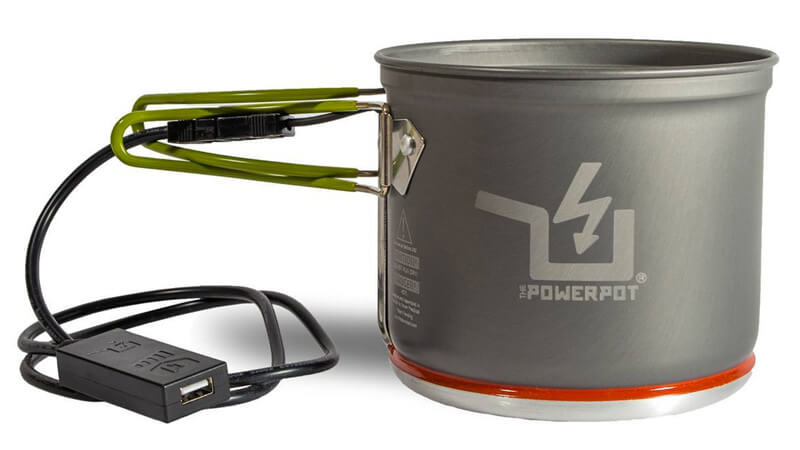
| BioLite CampStove 2+ (Thermo) | Wood heat + thermoelectric + battery | About 2 hours burning for full | £130–150 |
| FlameStower/miniO (Thermo) | Fire/stove heat + water-cooled TEG | 1 min fire 2 min talk | £70 |
| HydraCell Power Cube (Water) | Water-activated fuel cell (replaceable) | One cell 5–10 phone charges | £30–50 |
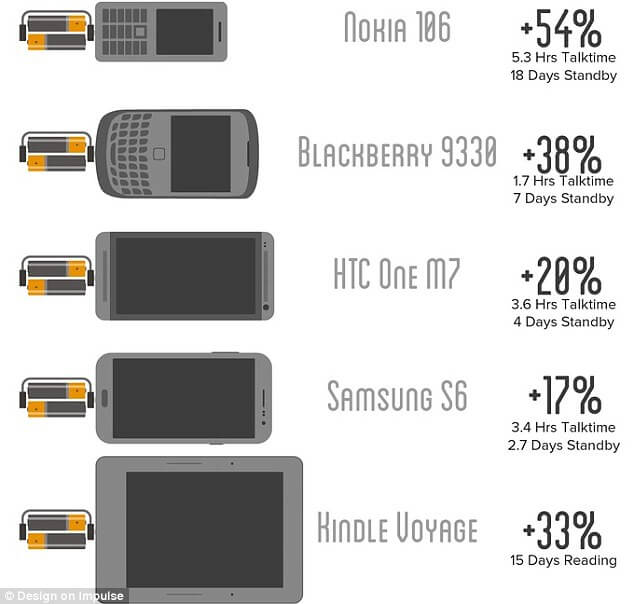
| The Nipper (Battery) | 2 × AA batteries | 10% in 30 min; 20% in 1 hr | £15 |
Charge times are approximate and assume optimal conditions (bright sun, vigorous cranking, steady flame). Prices are estimates and may vary by retailer.
Solar-powered phone chargers
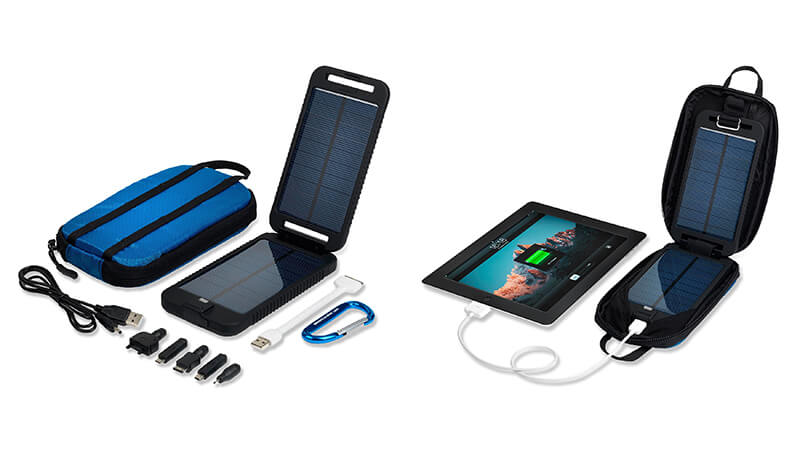
Solar chargers turn sunlight into electricity for your devices, making them ideal for sunny beaches, treks and anywhere off-grid with daylight to spare. Modern models range from pocket panels to backpack-integrated kits.
Pros: Sunlight is free and abundant. Many panels are lightweight and compact for hiking, and some include built-in batteries to store energy for night-time charging. No fuel or outlets required.
Cons: Weather-dependent. Cloud, shade and poor angle can significantly lengthen charge times. You also need space to orient the panel towards the sun.
Top picks:
- Goal Zero Nomad 20: robust 20 W folding panel with kickstand and tie-points. Good for phones and topping up power banks on multi-day trips.
- BioLite SolarPanel 5+: compact 5 W panel with an integrated 3,000 mAh battery and sundial for easy alignment. Ideal for day hikes and emergencies.
- Voltaic OffGrid Backpack (10 W): a practical daypack that trickle-charges its battery as you walk; plug in your phone at camp.
- BigBlue 28 W Folding Panel: good-value multi-panel option for campers and festivals; pair with a power bank for best results.
Travel tip: Keep panels angled at the sun and free from shade. Use them to fill a power bank during the day so you can fast-charge your phone at night.
Crank-powered phone chargers
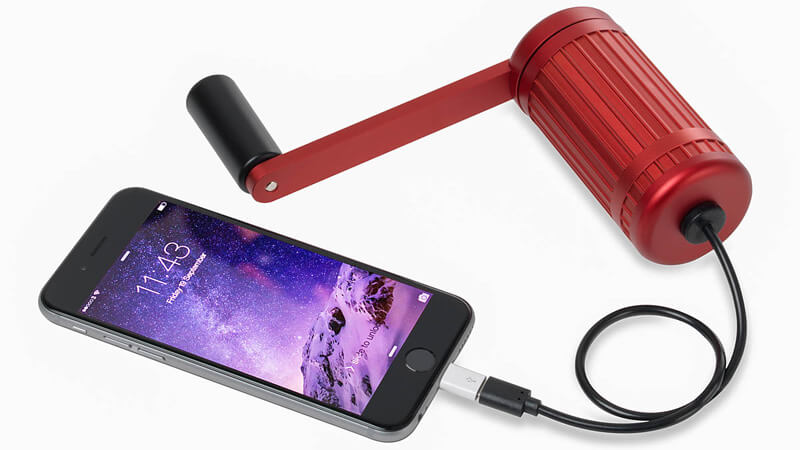
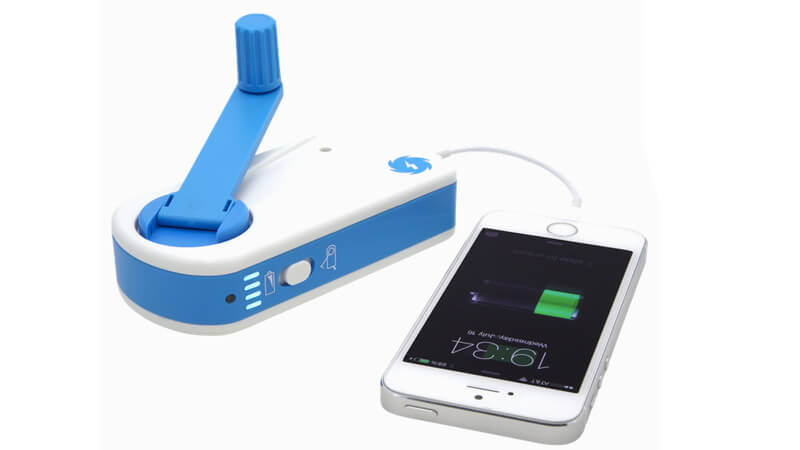
Crank chargers generate electricity on demand by hand or pedal. They’re classic emergency gadgets and great when sunlight is scarce.
Pros: Work any time without sun or fuel. Many include an internal battery to store the energy you produce. Compact and reliable for emergency kits.
Cons: Producing meaningful charge by hand is effortful. Without an internal battery, you may need to crank continuously while using the phone. Best for short emergency boosts rather than full charges.
Top picks:
- SOSCharger: handheld crank with built-in 2,300 mAh battery and charge indicator. A few minutes of winding yields essential talk time.
- K-Tor Pocket Socket: rugged hand-crank generator. No battery; plug in and crank for immediate power.
- Eton BoostTurbine 2000: pocket-sized hybrid with crank and 2,000 mAh battery. Sensible for go-bags and camping.

- Tigra Sport BikeCharge Dynamo: wheel-hub dynamo with buffer battery and lights. Ideal for tourers; a couple of hours riding can fill a phone.
Kinetic-powered phone chargers
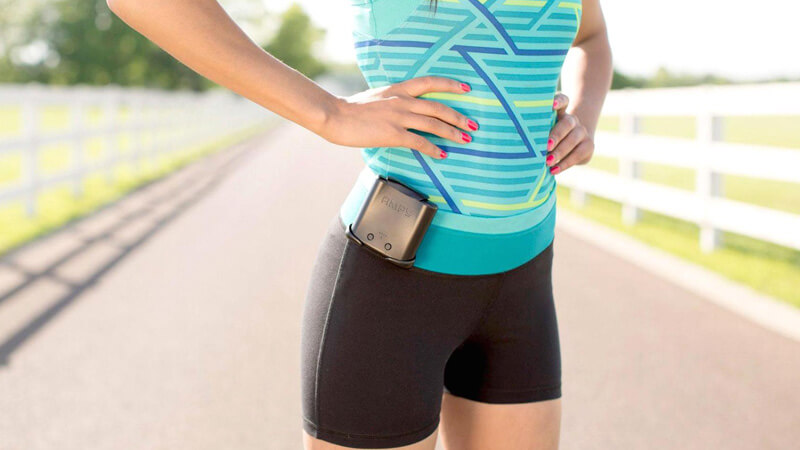
Kinetic chargers capture energy from your movement and store it in a battery, then charge your phone later. Perfect for active travellers.
Pros: Passive charging while you move. No sun or fuel needed, simple and sustainable.
Cons: Low power density; best as a supplement. Works best with consistent movement such as running or cycling.
Top pick:
- Ampy Move: wearable motion charger with 1,800 mAh battery and companion app. Expect around an hour of typical phone use from an hour of vigorous activity.
Thermo-powered phone chargers
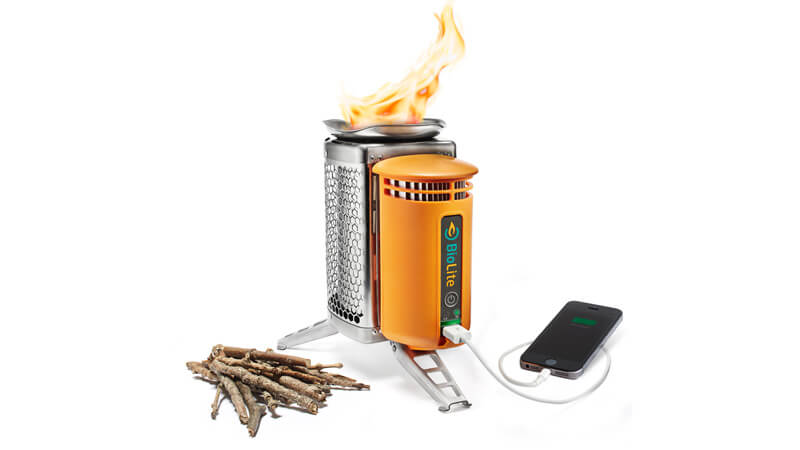
Thermoelectric generators convert heat into electricity. Use them with campfires or stoves to cook and charge at the same time.
Pros: Works day or night, in any weather, provided you have a heat source. Ideal for camping and emergencies.
Cons: Bulkier kit, and you need fuel. Faster with stronger flames and consistent cooling.
Top picks:
- BioLite CampStove 2+: efficient wood-burning stove with fan assist and power output to charge devices while boiling water or cooking.
- FlameStower/miniO-style TEG: compact heat blade and water cup for cooling; works with any flame or camping stove for a steady USB trickle.
Safety tip: Let heat-based devices cool before packing. Keep phones and cables away from direct flames.
Water-powered fuel cell chargers
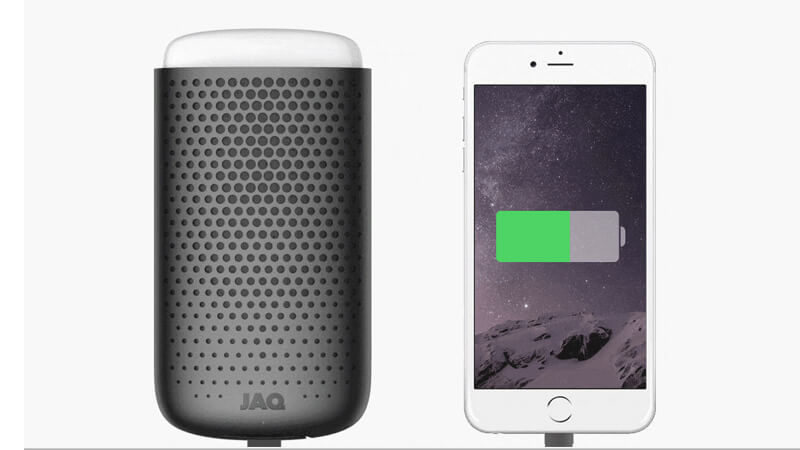
Water-activated fuel cells use reactive metals and water to produce electricity on demand. Ideal for emergency kits thanks to long shelf life until activation.
Pros: Works without sun, motion or pre-charging. On-demand power with simple activation. Often cleaner by-products than traditional disposables.
Cons: Fuel cells or plates are consumables; carry spares. Output is modest, and availability varies by region.
Top picks:
- HydraCell Power Cube: magnesium-air fuel cell; add water and get immediate power for multiple phone charges per cell. Straightforward, reliable and shelf-stable.
- myFC JAQ concept: slim disposable saltwater cards that provide roughly one full phone charge each; useful reference for how fuel-cell cards work, even if availability is limited.
Old-school AA battery chargers
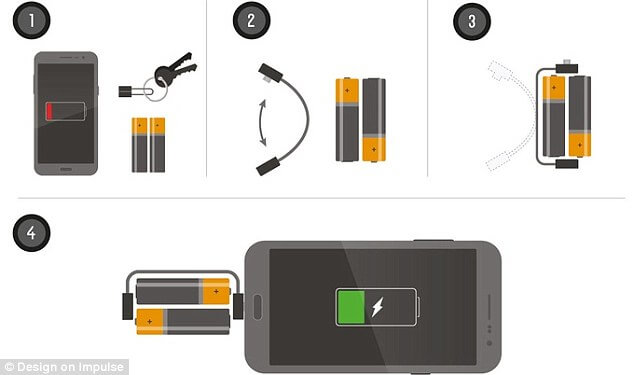
AA-powered extenders remain a tiny, lightweight emergency fallback when other options aren’t available.
Pros: AAs are widely available worldwide. No reliance on weather or activity. Ultra-portable and simple.
Cons: Limited capacity; better for a boost than a full charge. Disposables are less eco-friendly unless you use rechargeable AAs.
Top pick:
- The Nipper: keyring-sized adapter using two AA cells. Perfect for a small, dependable boost to make calls, navigate or message.
FAQs
They do work in overcast weather but at reduced output, so charging takes longer. Indoors, solar panels are generally ineffective under normal room lighting. Use direct sun where possible and pair with a power bank.
A short cranking session is best for emergency top-ups rather than a full charge. Expect several minutes of cranking for a few minutes of talk time. A full charge by hand typically takes sustained effort over an hour or more.
A combination works well. Many hikers use a lightweight solar panel to fill a power bank during the day, then charge phones at night. Campfire cooks can add a thermo charger. Cyclists benefit from a bike dynamo. A tiny AA backup is a sensible extra.
Yes, in most cases. Devices without large batteries are fine in carry-on or checked bags. Lithium batteries and power banks should be carried in hand luggage within airline watt-hour limits. Dry, inactive fuel-cell gear is generally acceptable; always check current airline guidance.
Keep solar panels clean and dry; avoid sharp bends. Exercise crank and kinetic devices occasionally and top up internal batteries every few months. Let thermo gear cool and wipe off soot after use. Store water-activated cells dry and sealed. Check AA spares annually or use long-shelf-life lithium AAs.
You may also be interested in our related article:
- Electronic devices phone chargers and body scanner security rules at Gatwick Airport
- What are the rules for using mobile phones when driving in Europe?
Disclaimer: Product specifications, availability and prices are subject to change without notice. Charge times are approximate and depend on conditions such as weather, activity level, flame strength and device battery capacity. Always verify current details with the manufacturer or retailer and carry appropriate backups for your itinerary or emergency plan.