

More than two million UK drivers have been caught out by an expired photocard licence, leaving them at risk of a £1,000 fine for driving without a valid licence. The ‘4b’ section on your driving licence photocard shows the expiry date of your licence photo. If this date has passed, your licence is technically invalid, and you could face hefty penalties or even issues with your insurance.

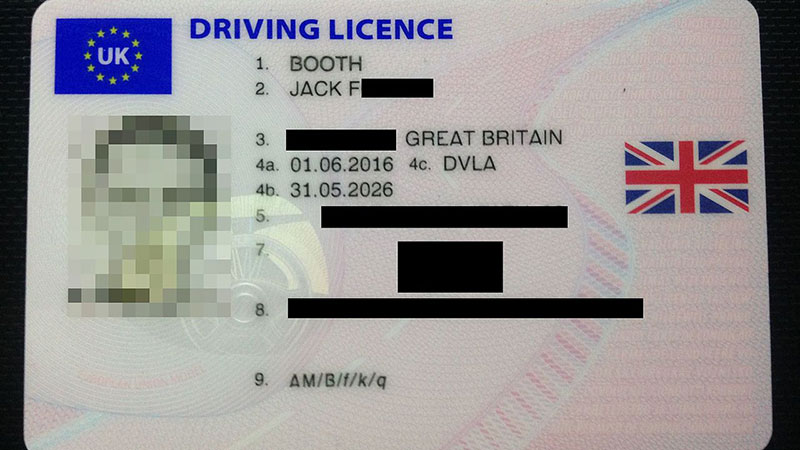
The expiration date on UK photocard licences is shown next to section “4b” on the front of the card. This date indicates when your driving licence (specifically the photocard) expires and must be renewed. Checking this 4b expiry date regularly can help you avoid accidentally driving with an out-of-date licence, a simple step that could save you a £1,000 fine and keep you legal on the road.
How to Check if Your Licence Needs Renewing (Section 4b Expiry Date)
The DVLA usually sends a reminder letter well before your licence is due to expire (typically about 56 days in advance for most drivers). However, it’s easy to miss this reminder or misplace the letter. The surest way to know if you need to renew is to check your photocard’s “4b” date yourself. This date on the front of your licence card tells you when your driving licence photo expires. If today’s date is past the date shown in section 4b, it’s time to renew your driving licence photo immediately to stay legal.
It’s worth noting that some older driving licences (or the paper counterparts) might also list the photo renewal date on the driver’s picture or in the information section. But for all modern photocard licences, section 4b is the critical date to check. Make it a habit to glance at your 4b date periodically, especially if you’ve had the same photocard for nearly a decade.
How Often Do You Need to Renew Your Driving Licence Photo?
For most drivers under 70 years old, the law requires that you renew your photocard driving licence every 10 years. Ten years can fly by, so it’s easy to lose track, which is why many drivers get caught out. A quick check of your 4b expiry date can tell you how long you have until renewal. If you’ve changed significantly in appearance or your name/address, those updates should be made as well, but the routine photo renewal is every ten years.
Older drivers need to renew more often. Once you reach the age of 70, your driving licence expires and must be renewed every 3 years to keep driving. The good news is that renewals for drivers over 70 are free of charge. The DVLA will send a form (called D46P) by post about 90 days before your 70th birthday to remind you and guide you through the renewal. After 70, you should receive reminders every three years similarly, but even so, mark your calendar to ensure you renew on time. These more frequent renewals are mainly to prompt a regular check on eyesight and medical self-declaration, ensuring you’re fit to drive.
How Much Will It Cost to Renew Your Licence Photo?
If you’re looking to save a few pounds, renewing your driving licence online via the official DVLA website is the cheapest and quickest option. An online photocard renewal costs £14. Renewing by a postal application (using the D1 form from the Post Office or DVLA) costs a bit more, £17. There’s also an option to renew in person at selected Post Office branches, but this convenience service costs £21.50 (they charge an extra fee to take your photo and handle the paperwork).
Keep in mind that these are the standard fees as of 2025, and drivers over 70 or those with certain medical short-period licences don’t have to pay a fee for renewal. Below is a quick breakdown of renewal methods and costs:
| Renewal Method | Cost (2025) | Typical Processing Time |
| Online via the DVLA website | £14 | 1 week for a new licence |
| By post (D1 form by mail) | £17 | Up to 3 weeks for a new licence |
(Note: If you apply at a Post Office in person, the total fee is £21.50, and you’ll usually get your licence in 2–3 weeks. Over-70s renewals are free of charge.)*
As shown above, renewing online is not only cheaper but also faster; you’ll typically get your new licence in about a week when renewing online, compared to two to three weeks by post. Whichever method you choose, the DVLA will send your new photocard by mail, and you’ll need to return your old photocard once the new one arrives (they will provide instructions on how to do this).
How to Renew Your Driving Licence Photo (Online or By Post)
Renewing your driving licence photo is a straightforward process in the UK, and you have a couple of convenient options. You can either apply online or by post, whichever suits you best. Here’s what you need to know about each method:
- Online Renewal: This is the quickest way for most drivers. To renew online, you’ll need a few things ready:
- A valid UK passport (the system can securely use your passport photo and signature for your driving licence). If you don’t have a passport or want a new photo, you’ll need to renew by post instead. Your current driving licence (photocard) details, including your driver number. If you’ve lost the photocard, you can still apply online by declaring it lost. Addresses for the last 3 years (to confirm your residency history).A debit or credit card to pay the £14 fee (Visa, MasterCard, Maestro and so on are accepted).
- You must be a resident of Great Britain (not Northern Ireland, which has a separate process) and not be disqualified from driving.
The online application on GOV. The UK will guide you through filling in your details. You’ll confirm that your details (name, address, etc.) are up to date and submit the payment. At the end, the DVLA typically sends a confirmation email. In most cases, you do not need to provide a new photo; the DVLA will use your existing passport or stored photo if it’s available and still a good likeness. Once your application is approved, your new licence should be issued within a week.
- Postal Renewal: If you prefer paper or need to change details that can’t be done online (for example, if you’ve changed your name, you must apply by post), you can renew via a postal application. Here’s how:
- Pick up a D1 application pack from a Post Office that deals with DVLA services, or order one from the DVLA. If you’re around 70, the DVLA should have sent you a D46P form, which can also be used. You’ll need to enclose a new passport-style photo (colour, recent, and meeting DVLA’s requirements). Do not sign the back of this photo. Include your current photocard driving licence (the card part; the paper counterpart is no longer issued since 2015, but if you still have an old paper licence, include it as well). If you’ve lost your licence, there’s a section on the form to indicate that. Include a cheque or postal order for £17, payable to “DVLA” (no fee is required if you’re over 70 or have a short-term medical licence).
- Post the completed form, photo, and payment to the DVLA, Swansea, SA99 1DH (the address is also printed on the form). It’s wise to send it via tracked mail for peace of mind.
Once you’ve mailed your application, the DVLA will process it and send out your new photocard. This can take up to three weeks, so plan accordingly. If there are any issues (missing information or if they need you to confirm details), the DVLA will contact you by post, which could delay things; another reason to double-check everything in your application.
Pro Tip: Avoid any third-party websites or “licence renewal services” that charge extra to handle this process for you. It’s usually unnecessary to pay a premium, renewing through the official GOV.UK website or by post using official forms is the cheapest. The DVLA itself warns that some unofficial sites will overcharge fees on top of the standard £14/£17. Stick to the official channels and you’ll only pay the standard cost (and no, there’s no “fast-track” fee; renewing early is the best way to ensure you don’t run into last-minute problems).
Finally, when your new licence arrives, remember to cut up your old photocard and send it back to the DVLA (or follow the instructions in the letter). Keeping an old, expired licence isn’t advised, and if you’ve stopped driving altogether, you should inform the DVLA and surrender your licence to avoid any confusion.
Frequently Asked Questions (FAQs)
Drivers aged 70 and over need to renew their driving licence every three years. Unlike the 10-year photocard renewals for younger drivers, these 3-year renewals are required to ensure senior motorists remain fit to drive. The renewal process for over-70s is free; there is no DVLA fee to renew if you’re 70 or older.
The DVLA will typically send you a D46P reminder form about 90 days before your 70th birthday (and similarly every three years thereafter). You can renew online (using the “Renew at 70” service on GOV.UK) or by post using the form. The requirements are similar; you’ll need to confirm you meet the eyesight and medical standards (a simple self-declaration, no test required in most cases). There’s no driving test required at 70, just the paperwork and health declaration.
It’s important for older drivers to renew on time because if your licence expires, you are not legally allowed to drive until it’s renewed. The DVLA’s reminders and forms make the process straightforward. Always use the official GOV.UK website or the form they mail you, the renewal is free, so be wary of any third parties charging a fee. And don’t forget: you’ll need to renew every 3 years after 70, so mark your calendar or set a reminder for the next expiry date.
The main differences between online and postal driving licence renewals are convenience, cost, and speed. Here’s a quick comparison:
Cost: Renewing online costs £14, whereas renewing by post costs £17 in DVLA fees. The online method saves you £3. (If you renew at a Post Office in person, it’s £21.50 total, due to an added service fee.) Remember, if you’re over 70, no fee is required for either method.
Speed: Online renewals are usually processed faster. Many online applicants get their new licence within about a week. Postal applications can take longer, expect around 2 to 3 weeks for your new photocard to arrive (and possibly up to 3-4 weeks in some cases). The difference is that online applications enter the system immediately, whereas posted forms have to be delivered and processed by hand.
Convenience: Online is the easiest; if you have a valid passport and a stable internet connection, you can do it from home at any time. Your photo and signature from your passport or existing records can be reused, so you often don’t need to submit a new photo. For postal applications, you’ll need to get a passport-style photo taken and include it with your form, and obtain a D1 form (available at the Post Office or by ordering from DVLA). Online payments are done by card, while postal payments require a cheque or postal order.
Eligibility: If your personal details (name or title) have changed and you haven’t updated them with DVLA yet, you cannot renew online; you’ll have to do it by post (and include documents for the name change). Similarly, if you don’t have a British passport or you want to use a new photo, the postal route might be necessary (online will use your existing passport photo by default).
In summary, online renewal is cheaper and faster for most people, provided you meet the requirements. Postal renewal is there for those who prefer paper or need to submit new details/photos. Whichever you choose, the end result is the same, a new driving licence photocard with an updated 4b expiry date. Just make sure to send off the application well before your current licence expires to avoid any gap in your valid status.
If you forget to renew and your driving licence photocard expires, don’t panic, but do act quickly. Driving with an expired licence is against the law in the UK. If you continue driving after the 4b expiry date on your licence has passed, you are technically driving without a valid licence, which can result in a fine of up to £1,000 if caught. In more serious cases (for example, if you were in an accident or repeatedly ignored renewal), you could even face prosecution and a larger fine for driving without a licence (potentially up to £5,000). Additionally, your car insurance may be invalid while your licence is expired, which can lead to further complications or penalties.
The good news is that simply renewing a just-expired licence doesn’t itself incur a late fee or automatic fine; the DVLA does not charge you extra for renewing late. The key issue is whether you drove while it was expired. If you realise your licence has expired, stop driving and renew it as soon as possible. You can renew online or by post; if you do it online, you’ll likely have your new licence within a week or so. Until you have a valid licence in hand (or at least your renewal confirmation), it’s safest not to drive, unless you meet the specific criteria that allow you to continue (see FAQ 5 below).
Also, be aware that the DVLA sends a reminder 56 days before expiry. If you moved house and didn’t update your address with DVLA, you might miss the letter, which is one reason many people “forget” to renew. It’s wise to keep your address updated and perhaps set your own reminder (for example, a phone alert or note in a calendar) a couple of months before your 4b date. That way, even if the letter goes astray, you won’t be caught off guard. In short, if you’ve forgotten to renew, take action immediately, renew your licence, and avoid driving until you do, to stay on the right side of the law.
Yes, the DVLA will send you a reminder letter by post before your licence is due for renewal. Typically, for a standard 10-year photocard, this reminder (D798 form) is sent about 56 days (2 months) before your licence expires. For drivers approaching age 70, the DVLA sends out the D46P form even earlier (around 90 days before your 70th birthday) to facilitate the age-related renewal. These reminders are very helpful, but you shouldn’t rely on them alone. If your address isn’t current or the letter gets lost, you could still miss it. That’s why it’s important to know where to find the expiry date on your licence (remember: check section 4b on your photocard) and keep track of it yourself.
As for timing: How early can you renew? The DVLA allows you to renew your driving licence up to two months before the expiry date without losing any remaining time. In practice, this means once you enter that 56-day window (or slightly earlier, as soon as you get the reminder), you can submit your renewal. Your new licence’s validity will start from the date your application is processed/approved, not from the old expiry date. For example, if your licence is due to expire on 30th June and you renew on 1st June, the new licence will typically be valid from early June (when approved) and run until that date 10 years (or 3 years for over-70s) in the future. There’s no significant penalty for renewing a few weeks early; you might “lose” a couple of weeks of the old licence period, but it’s much safer than cutting it too close or going overdue.
If you haven’t received a reminder and your expiry is within two months, you don’t have to wait; you can go ahead and renew. You can check your licence status and expiry online via the DVLA if unsure. Bottom line: The DVLA will try to remind you, but it’s ultimately your responsibility. Aim to renew a month or so before the expiry to account for any processing time, especially if doing it by post. This ensures you won’t be caught driving on an expired licence.
In many cases, yes, you can continue driving while waiting for your new licence to arrive, as long as you meet certain conditions. The DVLA has rules (under Section 88 of the Road Traffic Act 1988) that allow you to drive even if your photocard has expired, provided that:
You have already submitted your completed renewal application to the DVLA.
Your previous licence was valid and not revoked or refused for any medical or legal reason (aside from the natural expiry).
You meet any medical standards required for driving and have no condition that would bar you from driving. In other words, your doctor or optician hasn’t advised that you stop driving, and you’ve declared any required medical information to DVLA.
You were not disqualified from driving; you must have the continuing entitlement to drive.
Your licence expiry was due to the passing of time (photocard expiration or reaching age 70), not because the DVLA revoked it or refused to renew it for cause.
If the above are true, UK law generally allows you to keep driving during the renewal process. The DVLA explicitly states that you can drive while waiting for your new licence as long as you meet the medical and legal conditions. Essentially, by sending in your renewal, you’re covered to continue driving under these provisions.
However, make sure you have evidence that you’ve applied, for example, if you applied online, you’ll have a confirmation email or reference number. If you applied by post, keep a proof of postage and perhaps a copy of your application. In the unlikely event you’re stopped by the police, you can explain that your renewal is in progress. They can verify with DVLA if needed.
Important: This leeway to drive while waiting only applies if you have sent in the renewal before your previous licence fully lapsed. If you missed the expiry date and haven’t applied yet (i.e. your licence is expired and no application is in process), then you cannot drive until you actually file for renewal. So don’t delay the renewal application. If you apply in time, you should be fine to carry on driving pending the new photocard. If you’re unsure, the DVLA’s official guidance (INF188/6) on driving while your licence is with them is available on GOV.UK, or you can contact them for confirmation of your eligibility under Section 88.
In summary, most drivers renewing a licence will be allowed to keep driving while waiting, as long as you play by the rules. Just be honest about your health, get that application in promptly, and you won’t be stuck car-less while the DVLA does its work.
Related Articles You May Find Useful
Explore more helpful guides and updates from APH to keep your driving knowledge up to date:
- DVLA Driving Licence Changes – Everything You Need to Know
Stay informed about the latest updates to UK driving licences and what they mean for motorists. - How to Cancel Road Tax and Claim a Refund When Selling or Storing Your Car
Discover how to legally cancel your road tax and request a refund if you sell your vehicle or take it off the road. - Do I Need to Inform the DVLA About My Medical Condition?
Learn which health conditions must be declared to the DVLA and whether you’re still fit to drive. - Renewing Your Driving Licence at 70 – What You Need to Know
Find out how to renew your driving licence at 70 and continue driving legally and safely. - Essential Travel Safety Tips: Understanding UK Driving Licence Categories
A clear guide to what you can and can’t drive with a standard UK driving licence. - How to Report an Untaxed Vehicle in Your Area
Step-by-step guidance on how to report a car you believe has been left untaxed on your street. - Removing Expired Penalty Points from Your UK Driving Licence in 2025
How to remove expired penalty points from your licence… holiday hire car essential information. - How to Check Your Car Tax, Insurance, MOT, and Licence Details Online
A simple guide to checking your car and licence information online in minutes. - How to Identify and Report an Abandoned Vehicle
Learn how to find out if a car has been abandoned and what steps to take to get it removed.
Disclaimer: This article is intended to provide general information to help UK drivers stay compliant with driving licence regulations. Rules and fees can change, so always check the latest official guidance from the DVLA (Driver and Vehicle Licensing Agency) for the most current requirements. The information here is correct as of the time of writing (2025), and while we strive for accuracy, it does not replace the official legal advice or requirements of the DVLA. Always ensure your personal details are up to date and that you renew your driving licence on time to remain legally authorised to drive. Stay safe and happy driving!