

The Hidden Health Effects of Flying – and How to Beat Them
Stay fit, feel fresh, and fly smarter with these expert-backed travel wellness tips
Whether you’re heading off on holiday or flying for business, getting on a plane should be exciting, not uncomfortable. But let’s face it, long-haul flights can take a toll on your body. From bloating to jet lag, the physiological effects of flying can sneak up on even the most seasoned travellers.
In this guide, we explore the most common in-flight health issues with expert insights from Dr Sarah Brewer, medical nutritionist, health author, and former GP. Plus, we’ve included a handy video to help you prepare before your next departure.
Watch: The Physiological Effects of Flying

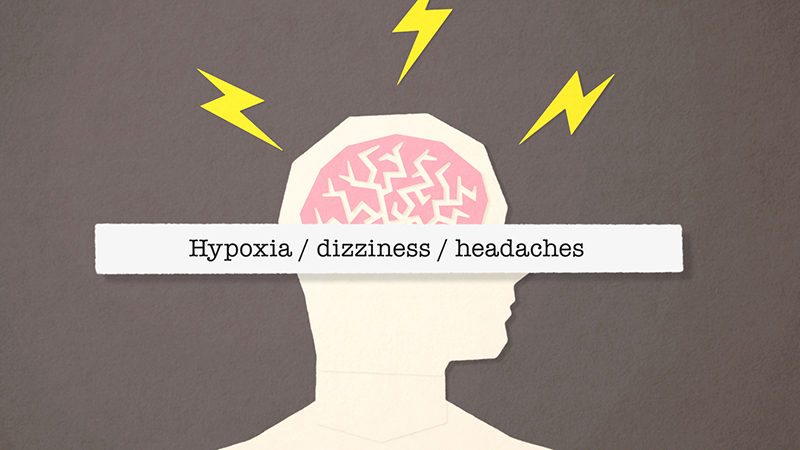
1. Hypoxia: Why You May Feel Dizzy at 35,000 Feet
Low cabin pressure can cause mild hypoxia, where your lungs don’t absorb as much oxygen as normal. This might leave you feeling light-headed, tired, or foggy.
“Cabins are pressurised to the equivalent of 8,000 feet. That’s enough to lower your oxygen intake and affect organs and muscles,” explains Dr Brewer.
Top tips:
- Avoid alcohol before and during flights
- Stay well-hydrated
- Rest properly pre-flight to reduce fatigue

2. Bad Breath in the Air
Dry cabin air + reduced saliva = the perfect environment for bacteria to thrive.
Stay fresh mid-flight:
- Drink plenty of water
- Avoid sugary snacks
- Pack gum or a travel-sized toothbrush
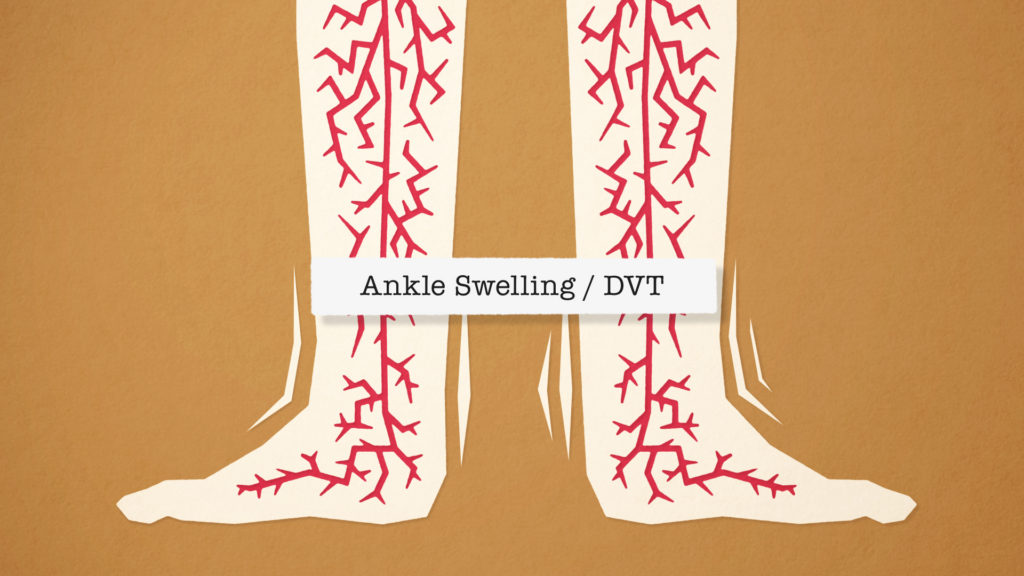
3. Swollen Ankles & Deep Vein Thrombosis (DVT)
Long periods of sitting can restrict blood flow in your legs, leading to swelling, or worse, blood clots.
“Low cabin pressure and inactivity change how fluids are distributed, increasing pressure on the veins,” says Dr Brewer.
Protect your circulation:
- Walk the aisle every 1–2 hours
- Rotate ankles and flex your feet
- Wear compression socks for long-haul flights

4. Hearing Loss on Take-Off and Landing
Aircraft noise can reach up to 115 decibels, particularly at the rear of the cabin.
What to do:
- Sit toward the front of the plane if possible
- Use noise-cancelling headphones or earplugs
- Yawn or chew gum during altitude changes
5. Why Airplane Food Tastes Bland
Did you know your taste buds go numb at altitude? Dry air and pressure changes dull your sense of taste, especially for salty and sweet foods.
Flavour-boosting tips:
- Stay hydrated to keep nasal passages moist
- Choose spicy or sour snacks
- Don’t skip meals, fuel = energy

6. Constipation at Cruising Altitude
Digestive slowdown is common during flights due to inactivity and dehydration.
Beat the bloat:
- Avoid caffeine and alcohol
- Sip water regularly
- Do gentle seated twists or torso stretches
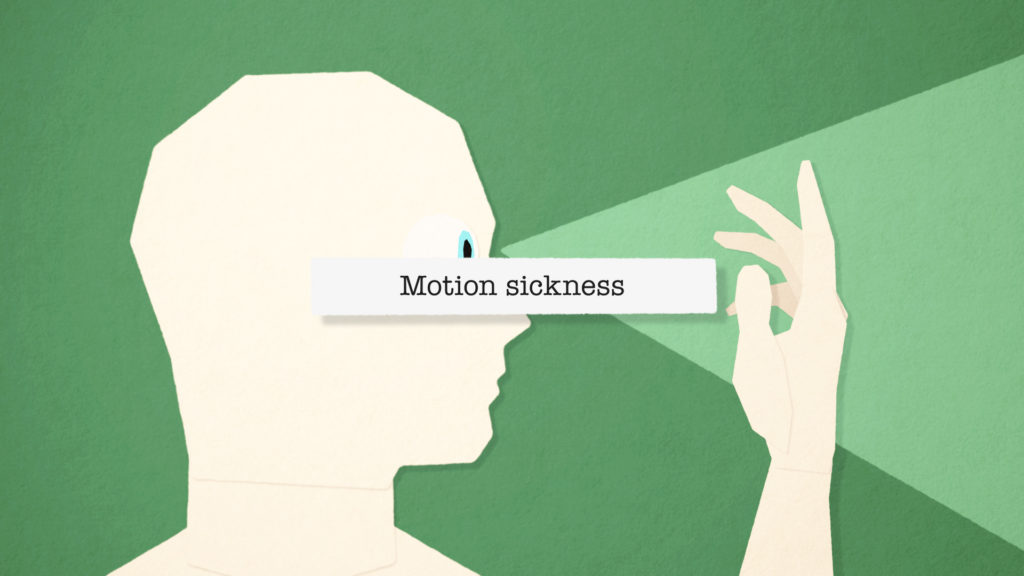
7. Motion Sickness in the Sky
When your eyes say you’re still but your ears say you’re moving, nausea kicks in.
Ease the dizziness:
- Look at a fixed point on the horizon
- Take travel sickness medication
- Choose a seat over the wing for more stability
8. Colds & Cabin Germs
Research shows you’re over 100 times more likely to catch a cold during a flight than at ground level.
Stay germ-free:
- Use hand sanitiser often
- Avoid touching your face
- Wipe down tray tables and armrests
9. Fatigue & Jet Lag
Crossing time zones confuses your body clock, leading to poor sleep, irritability, and jet lag.
“Jet lag disrupts your 24-hour sleep-wake cycle. Eastward flights are often harder to adjust to,” says Dr Brewer.
Jet lag prevention tips:
- Shift your sleep schedule before departure
- Break long journeys with a stopover
- Try natural supplements like Guarana, Rhodiola, or B-vitamins
- Stay outdoors during the day at your destination to reset your body clock

FAQs
Feeling tired, light-headed or unfocused at high altitudes is often due to mild hypoxia—a reduced oxygen intake caused by lower cabin pressure. Staying hydrated and well-rested before your flight can help minimize symptoms.
To lower your DVT risk, move your legs regularly, walk around the cabin every couple of hours, and wear compression socks. Staying hydrated and avoiding tight clothing also helps maintain circulation.
Why does food taste bland on airplanes?
Adjust your sleep schedule before you fly: go to bed earlier for eastward flights and later for westward ones. Once you arrive, expose yourself to natural daylight to reset your body clock, and consider taking natural supplements like B vitamins, Rhodiola, or Guarana.
Final Boarding Advice
Flying doesn’t have to leave you feeling drained. By staying hydrated, moving regularly, and preparing your body before take-off, you can enjoy your journey and hit the ground running.
Planning your next trip? Don’t forget to browse our latest airport parking deals and travel tips to make your journey even smoother.
For more expert advice from Dr Sarah Brewer, visit www.DrSarahBrewer.com