

How Much Duty-Free Can You Bring Back to the UK? Your 2025 Guide to UK Duty-Free Allowances
UK holidaymakers and frequent flyers love picking up duty-free bargains, but how much duty-free can you bring back into the UK without paying extra tax? The rules have changed since Brexit, so it’s important to understand the current UK duty-free allowances for arrivals from both the EU and non-EU countries. In this comprehensive guide, we’ll explain the UK alcohol allowance, tobacco limits, and other duty-free limits UK travellers need to know, plus what to do if you go over your allowance. (Spoiler: you’ll need to declare it at customs!) We’ve also included handy tables for quick reference, so you can scan the limits at a glance and avoid any surprises at the UK border.

As a UK traveller, understanding customs rules is as essential as sorting out your airport parking or flights before a trip. Armed with the info below, you can breeze through UK customs and head straight home or to your car, without a hitch!
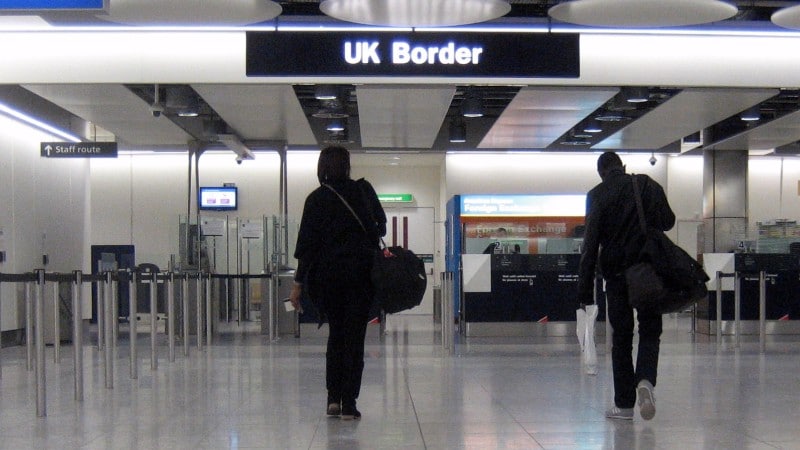
Travellers approaching the UK Border at Heathrow Airport arrivals. When you land in the UK, you must choose a customs channel (red or green) based on whether you have goods to declare. Knowing your duty-free allowances in advance helps ensure a smooth journey through customs.
Arriving from the EU (Post-Brexit Rules)
If you’re arriving in the UK from an EU country, Brexit has brought significant changes to duty-free allowances. Before 2021, UK residents could bring unlimited duty-paid goods from the EU for personal use. Now, travellers from the EU have the same personal allowance limits as those coming from the rest of the world. In other words, you can only bring in a certain quantity of alcohol, tobacco, and other goods duty-free, anything above that will incur UK duty or tax.
Here are the key points for EU arrivals into Great Britain (England, Scotland, Wales):
- Personal use only: You must transport the goods yourself, and they must be for your own use or to give as gifts, not for resale. (Border officers might ask about your purchases if they suspect you’re bringing goods in to sell.)
- New fixed limits: There are now limits on alcohol and tobacco you can bring from the EU without paying UK duty. For example, you can bring up to 42 litres of beer and 18 litres of still wine duty-free, plus a set allowance for stronger alcohol and tobacco (detailed in the tables below). These limits apply regardless of whether tax was paid in the country of purchase.
- No pooling allowances: Allowances are per person. If you’re travelling with family or friends, you cannot combine your allowances to bring in more; each adult has their own individual limit. (For instance, one person can’t bring extra wine claiming it’s under their companion’s allowance. Every traveller is responsible for their own duty-free quota.)
- Northern Ireland exception: If you are arriving into Northern Ireland from the EU, the rules differ slightly. There are effectively no strict limits if the goods are duty-paid in an EU country and for personal use, similar to the old pre-Brexit system. However, if you’re coming into Great Britain from the EU, the Great Britain allowances described here apply to you.
In short, EU arrivals should follow the standard UK allowances now. Stay within these limits and you won’t pay any UK duty or VAT on your goodies. Exceed them, and you’ll need to declare the excess at customs (more on that below). For easy reference, see “Duty-Free Limits at a Glance” for the exact quantities allowed.
Arriving from Outside the EU (Rest of World)
Travellers returning to the UK from outside the EU (whether from the USA, Asia, Africa or elsewhere) have duty-free allowances that are identical to the Great Britain allowances for EU travellers. The UK government streamlined the system after Brexit, increasing some allowances to be quite generous. This is great news for UK holidaymakers, it means you can bring back a decent amount of alcohol, tobacco, and souvenirs duty-free as long as you stay within the limits.
Key points for arrivals from non-EU countries (all international destinations outside the UK):
- Standard allowances apply: You’re allowed the same duty-free limits as listed in our tables (e.g. 42L of beer, 4L of spirits, 200 cigarettes, etc.) without paying UK duty. These limits apply per person for adults 17 and over.
- Personal use and transport: Just like EU arrivals, you must bring the goods in yourself, and they must be for personal use or gifts only. No selling items when you get home!
- No combining allowances: Travelling with someone else? Remember, you cannot pool allowances between passengers. Each person has their own separate allowance quota.
- Stay within the limits: If you keep within the duty-free allowance, you won’t pay any UK tax or duty on your imported items. If you go over the limit in any category, you’ll have to declare those goods and pay UK duty/VAT on all the items in that category, not just the excess. So it pays to know the limits!
One thing to note: Some travellers from outside the EU purchase items in duty-free shops before flying home. Those purchases still count toward your UK allowance. For example, if you buy a 1-litre bottle of spirits at a duty-free shop, that uses up 1 litre of your 4L spirits allowance. The same allowance numbers apply whether you bought the goods tax-free or tax-paid abroad.
Now, let’s break down the duty-free limits at a glance so you know exactly how much you can bring back without duty. If you’re unsure, it’s always best to err on the side of caution; don’t exceed these limits unless you’re prepared to declare and pay duty on the extras.
Duty-Free Limits at a Glance (Great Britain Allowances)
Below are the current UK duty-free allowances for travellers entering Great Britain (England, Wales, Scotland). These limits apply to all travellers coming from abroad (EU or non-EU). Remember that these allowances are generally for travellers aged 17 or over; there are no duty-free allowances for alcohol or tobacco if you’re under 17. Also, you cannot combine allowances between people; each person has their own allowance. If you exceed any of these, you must declare the goods and pay duty on them.
Alcohol Allowances (per adult 17+)
The UK’s alcohol allowance is quite generous. You can bring in beer and wine up to the limits below, plus a separate allowance for stronger alcohol. In fact, you are allowed to bring in all of the following without paying UK duty:
| Alcohol Type | Duty-Free Allowance (Great Britain) |
| Beer | 42 litres |
| Still wine (not sparkling) | 18 litres |
| Spirits or other liquors over 22% ABV | 4 litres |
| Fortified wine, sparkling wine, or other alcoholic drinks up to 22% ABV (e.g. sherry, port, sparkling wine, cider) | 9 litres |
Note: You get the beer and still wine allowances in full, plus either up to 4L of spirits or up to 9L of lower-strength drinks. You can split the last two allowances if you want some of each. For example, 2 litres of spirits and 4.5 litres of fortified wine would together make up your total alcohol allowance in that category. Just ensure the combined amount doesn’t exceed the limit (in this example, that’s half of each allowance).
Tobacco Allowances (per adult 17+)
Tobacco products also have fixed duty-free limits. You can bring one full allowance of any one category below or split between categories:
| Tobacco Product | Duty-Free Allowance (Great Britain) |
| Cigarettes | 200 cigarettes |
| Cigarillos (small cigars, max 3 grams each) | 100 cigarillos |
| Cigars | 50 cigars |
| Loose tobacco (for rolling or pipe) | 250 grams of tobacco |
| Tobacco for heating (e.g. heated tobacco sticks) | 200 sticks |
Note: You can mix tobacco allowances as long as together they don’t exceed 100% of your total tobacco limit. For example, you could bring in 100 cigarettes and 25 cigars; that combination counts as your full tobacco allowance (half of each category). But if you brought 200 cigarettes and 50 cigars, you’d be over the limit and would have to pay duty on all those cigarettes and cigars in total.
Other Goods (Souvenirs, Gifts, Electronics, etc.)
In addition to alcohol and tobacco, you have an allowance for all other goods (anything from souvenirs and clothing to perfumes, electronics, or gifts):
| Other Goods (combined total value) | Duty-Free Allowance |
| All other goods for personal use (e.g. perfume, cosmetics, electronics, souvenirs, gifts, etc.) | £390 total value per person (or up to £270 total if arriving by private plane or boat) |
This means you can bring back up to £390 worth of goods per person (based on what you paid) without paying import tax or duty. If you arrive in the UK by a private plane or private boat, the limit is lower (£270).
Important: If you have a single item that’s worth more than your allowance (for example, a £500 designer handbag), you cannot split its value; you will pay duty/VAT on its full value, not just the amount above £. Also, if your total other goods exceed £390, you must declare everything; the duty-free allowance won’t apply at all in that category once you go over the limit.
Declaring Goods at UK Customs
“Do I need to declare this?” It’s a common question when you’re standing in the airport arrivals hall. Here’s a simple rule: If you’re over the duty-free allowance, you must declare your goods to UK customs. Declaring goods means informing customs officials about the items and paying any tax or duty due. It’s better to declare than to risk penalties. if you don’t declare over-the-limit goods and get caught, your goods could be seized, and you could face fines or prosecution.
When and how to declare: You can declare your goods in two ways:
- Declare in person on arrival: When you land in the UK and collect your luggage, choose the red channel at customs (or use a red-point phone if available) if you have goods to declare. Tell the Border Force officer what you’re bringing in. Be prepared to show receipts or proof of purchase if asked, so they can calculate the duty. The officer will help you pay any Customs Duty or import VAT owed. You may also be asked to produce documents for any restricted items or to hand over any banned goods you might mistakenly have, and officers might check your baggage. It might sound daunting, but it’s a straightforward process; customs officers deal with declarations all the time. Just be honest and cooperative, and keep any paperwork they give you as proof you’ve paid the charges.
- Declare online before you travel: The UK now offers a handy online service to pre-declare goods and pay any duty up to 5 days (120 hours) before you arrive. This can save you time at the airport. You’ll need to enter details like the items, their value and origin, and your travel details. The system will calculate the duty/tax owed using simplified rates, and you can pay it online by card. After submitting, you’ll get a reference or receipt. keep this handy (print it out or have it on your phone). When you arrive in the UK, since you’ve pre-paid, you can usually go through the Green “nothing to declare” channel. If asked, show your receipt or reference number as proof you’ve declared your goods. This means no stopping to do paperwork in the red channel, you can head out of the airport quicker, which is great when you just want to get home after a long flight!
What to declare: You must declare anything over your allowance, restricted goods, or banned goods, or commercial goods you plan to sell. Common restricted items can include large amounts of cash, certain foods, plants, or firearms, but those are beyond the scope of duty-free allowances. For our purposes, if you bought a bit too much wine, cigarettes, new gadgets, or luxury items on your trip, be honest and declare them.
Tip: If you’re not sure whether you’re over the limit, it’s wise to declare and let the officer decide. You won’t get in trouble for declaring something unnecessarily, but you will if you fail to declare something required.
What Happens if You Go Over Your Allowance?
So you went a little overboard shopping abroad, what now? Here’s what to expect if you exceed your duty-free allowance when arriving in the UK:
- You’ll have to pay duty and tax on the entire quantity of goods in that category. If you exceed your allowance, UK customs will charge you Customs Duty (and possibly excise duty for alcohol/tobacco, plus Import VAT) on all the goods in the category you exceeded. For example, if you were allowed 18L of wine and you bring 20L, you must pay charges on all 20 litres, not just the extra 2L.
- How much are the charges? For most small excesses, the duty isn’t huge. The UK uses simplified rates for personal imports. Typically, the Customs Duty is a flat 2.5% of the goods’ value for items worth up to £630 over the allowance. If the goods are worth more than £630, the duty rate depends on the specific type of item (following the UK Global Tariff). Additionally, you’ll pay any excise duty on alcohol or tobacco (a set amount per litre or per cigarette, etc.) and Import VAT (currently 20% for most items) on the total value plus duty. The good news: If the calculated duty comes to less than £9, you don’t have to pay it; the authorities waive small amounts.
- Example: Let’s say you bring back a new tablet computer worth £500 on top of your £390 allowance. You would need to declare it and pay import charges. Customs might charge 2.5% duty (because £500 is under the £630 threshold), that’s £12.50, and then 20% VAT on £500 (which is £100). So roughly £112.50 total in charges. If that sounds acceptable for the item, great, but if not, it’s a reminder to stick to the allowance next time!
- Goods could be seized if undeclared: If you try to sneak through without declaring and you’re caught with excess or prohibited goods, Border Force can seize those items. You’ll lose them permanently (they’ll be confiscated), and you could face on-the-spot fines or even prosecution for smuggling. It’s just not worth the risk. Always declare anything over the limit or dubious. As the saying goes, declare it, or risk losing it.
- No pooling to avoid charges: Remember, you can’t split or pool allowances between people. If one traveller is over their limit, that excess can’t be offset by another traveller’s unused allowance. For instance, if you bought an extra litre of spirits beyond your 4L, you can’t avoid duty by claiming your teetotal partner will “use” their allowance for it; your partner’s allowance is separate for their purchases. Each person must pay duty on their own excess.
- Customs officers are there to help: If you do end up over the allowance, don’t panic. Follow the declaration process. The officers will calculate what you owe, explain your payment options, and once you’ve paid, you can be on your way. If you declared online in advance, it’s even easier; you’ve already handled it, so just show your receipt if asked and enjoy a swift exit.
Bottom line: To avoid hassle, know your duty-free limits and stick to them. If you do exceed them, be upfront and declare. Most casual travellers who declare a reasonable excess (like a few extra bottles or an expensive gift) will just pay the required duty/tax and continue home without issue. It’s not a crime to go over, you just have to follow UK customs rules and pay what’s due.
With this knowledge, you can shop abroad with confidence, bring back your favourite wines, spirits, tobacco, and gifts, and sail through UK customs on arrival. Keep the limits in mind, declare if necessary, and you’ll avoid any unwelcome surprises. Safe travels, and enjoy your trips knowing you’re on the right side of HMRC’s rules!
Tip for a smooth journey: If you’re driving to the airport for your next trip, don’t forget to book your airport parking in advance. APH offers a range of airport parking options at major UK airports. pre-booking can save you money and ensure a hassle-free start and end to your holiday. It’s one less thing to worry about when you’re coming home with all those duty-free treasures!
FAQs
Under the current UK alcohol allowance, you can bring up to 18 litres of still wine (that’s about 24 standard 75cl bottles) and 42 litres of beer without duty. In addition, you can bring either 4 litres of spirits (roughly 5 bottles of whiskey/vodka) or 9 litres of sparkling/fortified wine (about 12 bottles) duty-free. You can also split that last spirits allowance, e.g. 2L spirits + 4.5L champagne. These allowances apply per adult (17+).
The UK tobacco allowance lets you bring in 200 cigarettes, 100 cigarillos, 50 cigars, or 250g of loose tobacco (or 200 sticks of heated tobacco) duty-free. You can mix portions of these (e.g. 100 cigarettes + 25 cigars) as long as you don’t exceed your total tobacco allowance. Note that no one under 17 has a tobacco allowance; under-17s cannot bring in alcohol or tobacco without paying duty.
Yes, if their total value exceeds £390. All other goods (anything that’s not alcohol or tobacco) up to a total of £390 are duty-free for personal imports. If you went on a shopping spree and your purchases are worth more than £390 in total, you should declare them. If one item is over £390 itself, you’ll pay duty on the full value of that item. It’s best to keep receipts for any big-ticket items. When in doubt, declare it.
If you don’t declare and get caught by customs, your goods can be seized and you may face penalties. Customs officers have the authority to confiscate undeclared goods over your allowance (and any banned/restricted items). It’s not worth the risk, always go through the red channel and declare honestly. In most cases, you’ll just pay what you owe and be on your way. If you try to smuggle deliberately, you could face heavy fines or legal action.
No. Duty-free allowances are individual. You cannot pool them. For example, a couple can each bring back £390 of goods, but if one person buys a £700 item, you can’t split the value £390/£310 between two allowances. The item must be declared and the full £700 value is subject to duty/tax (because it exceeds £390 for one person). The same goes for alcohol/tobacco, one person’s allowance can’t cover another’s excess.
Northern Ireland (NI) has special arrangements. If you are arriving in NI directly from the EU (for example, driving from the Republic of Ireland), there is no tax or duty on goods for personal use, effectively no strict limits, though huge quantities could raise suspicions. However, if you’re coming to NI from outside the EU, or if you then travel from NI to Great Britain, the standard UK allowances apply (and in some cases, NI from outside the EU follows the older, smaller limits). When in doubt, it’s safest to follow the Great Britain allowances to avoid any issues.
Disclaimer: The information in this guide is correct at the time of publication. However, duty-free allowances and customs regulations are subject to change. Travellers should always check the latest rules with UK Government sources before travelling.
Let me know if you’d like this styled or placed differently within the post (e.g. above the FAQs or in a collapsible panel).