

Getting ready to apply for a new passport or renew an existing one? You may need to have your passport photos and application form signed by an approved individual. But who qualifies, and when exactly is a signature required?

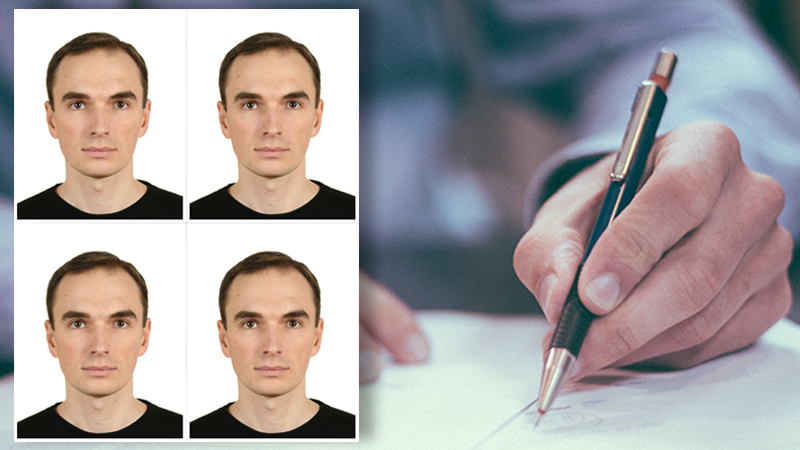
We’ve got you covered with this simple, no-nonsense guide that walks you through every step, ensuring your passport application stays on track.
When Do You Need a Passport Photo or Form Signed?
Not every passport application requires a signature on your photos and form, but in these situations, it’s a must:
- First-time adult passport
- First-time child passport
- Replacing a lost, stolen, or damaged passport
- Renewing a child’s passport (if they’re aged 11 or under)
- Renewing a passport where your appearance has changed significantly
If you’re applying by post, make sure you check whether you need a countersignature, especially for children or first-time passports.
Who Can Sign Your Passport Photos and Application Form?
Here’s what to know before choosing a countersignatory:
- They must have known you (or the adult applying for a child) for at least two years.
- They should be able to recognise you personally, think a friend, neighbour, or colleague, not just a professional acquaintance.
- They must be a person of good standing in the community or work (or be retired from) an eligible profession (see below).
If applying in the UK, your countersignatory must:
- Live in the UK
- Hold a current British or Irish passport
Tip: Many countries now offer faster digital passport services that don’t require a countersignature, check your local passport authority’s guidance.
Recognised Professions for Countersignatories
Here’s a list of approved professions in the UK, your countersignatory must also meet the criteria listed above:
- Accountant (Chartered or Certified)
- Airline Pilot
- Barrister or Solicitor
- Dentist, Nurse, Pharmacist, Optician, or Veterinarian (registered)
- Engineer (Chartered or Registered)
- Teacher or Lecturer (qualified)
- Police Officer (current or retired)
- Minister of Religion
- Fire Service Official
- Legal Executive or Paralegal
- Journalist (member of recognised professional body)
- Member of Parliament or Local Councillor
- Civil Servant
- Charity Executive (senior roles)
- And many others across legal, financial, government, healthcare, and technical fields
Pro Tip: Your signatory should be easy to contact during processing, in case HM Passport Office needs to verify their details.
Who Can’t Sign Your Passport Photos?
Some people aren’t allowed to countersign, even if they meet the professional criteria:
- Relatives or partners (including those living at the same address)
- HM Passport Office employees
- Doctors, unless they know you personally and are confident they can verify your identity (this exception is rare)
What Must the Countersignatory Write on Your Passport Photo?
On the back of one photo, they must write:
“I certify that this is a true likeness of [your full name or your child’s name].”
They must then sign and date it beneath that statement.
Key Things to Remember
- Ensure your countersignatory will be available throughout the application process.
- If they’re away (on holiday, for instance), your application could be delayed.
- Some digital services no longer require a countersignature, always check first.
Still Unsure?
If you’re applying for your first passport or replacing a lost one, it’s always best to double-check the official passport guidelines for your country, or consult a professional.
FAQs
Your passport photos and form must be signed by someone who:
– Has known you personally for at least 2 years
– Can identify you as a friend, neighbour, or colleague (not just professionally)
– Works in or is retired from an approved profession (such as a teacher, solicitor, or engineer)
– Lives in the UK and holds a British or Irish passport (for UK applications)
You’ll need a countersignature if you’re:
– Applying for your first adult or child passport
– Replacing a lost, stolen, or damaged passport
– Renewing a child’s passport (age 11 or under)
– Renewing your passport after a significant change in appearance
No. Relatives, partners, or anyone living at the same address as the applicant cannot sign passport photos or application forms.
The countersignatory must write:
“I certify that this is a true likeness of [full name of applicant].”
They must then sign and date the photo underneath this statement.
If your countersignatory is unavailable, such as being on holiday, your application could be delayed. HM Passport Office may contact them to confirm their details, so it’s essential they are reachable during the process.
Yes, a friend can sign a passport photo, as long as they:
Have known you personally for at least 2 years
Are a British citizen (if it’s for a UK passport)
Are not related to you or living at the same address
Hold a responsible position in the community (e.g. teacher, nurse, business owner)